Lake Kivu: Congolese youth fight plastic pollution
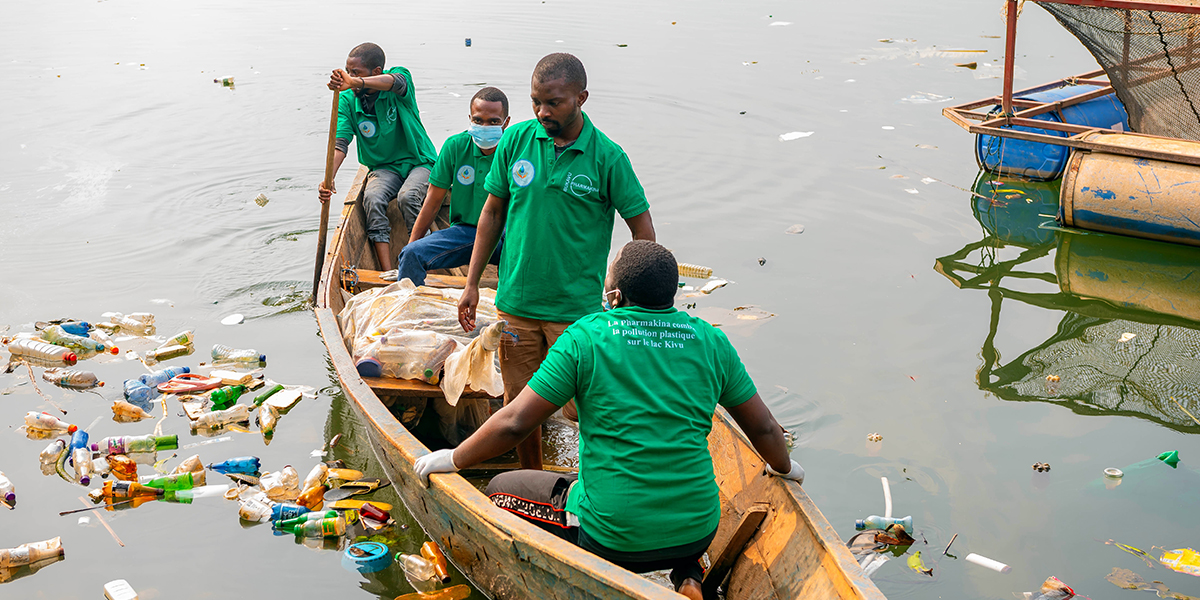
In a resolutely civic and environmentally conscious momentum, the Network of Young Water and Sanitation Professionals of the Democratic Republic of Congo (RJPEA-RDC) spearheaded a large-scale cleanup operation along the shores of Lake Kivu in Bukavu. This initiative is part of the “#Lake Kivu Clean Up” project, a year-long program supported by the Swiss Water Partnership and designed to structurally address the growing ecological threats facing this natural treasure shared by the DRC and Rwanda.
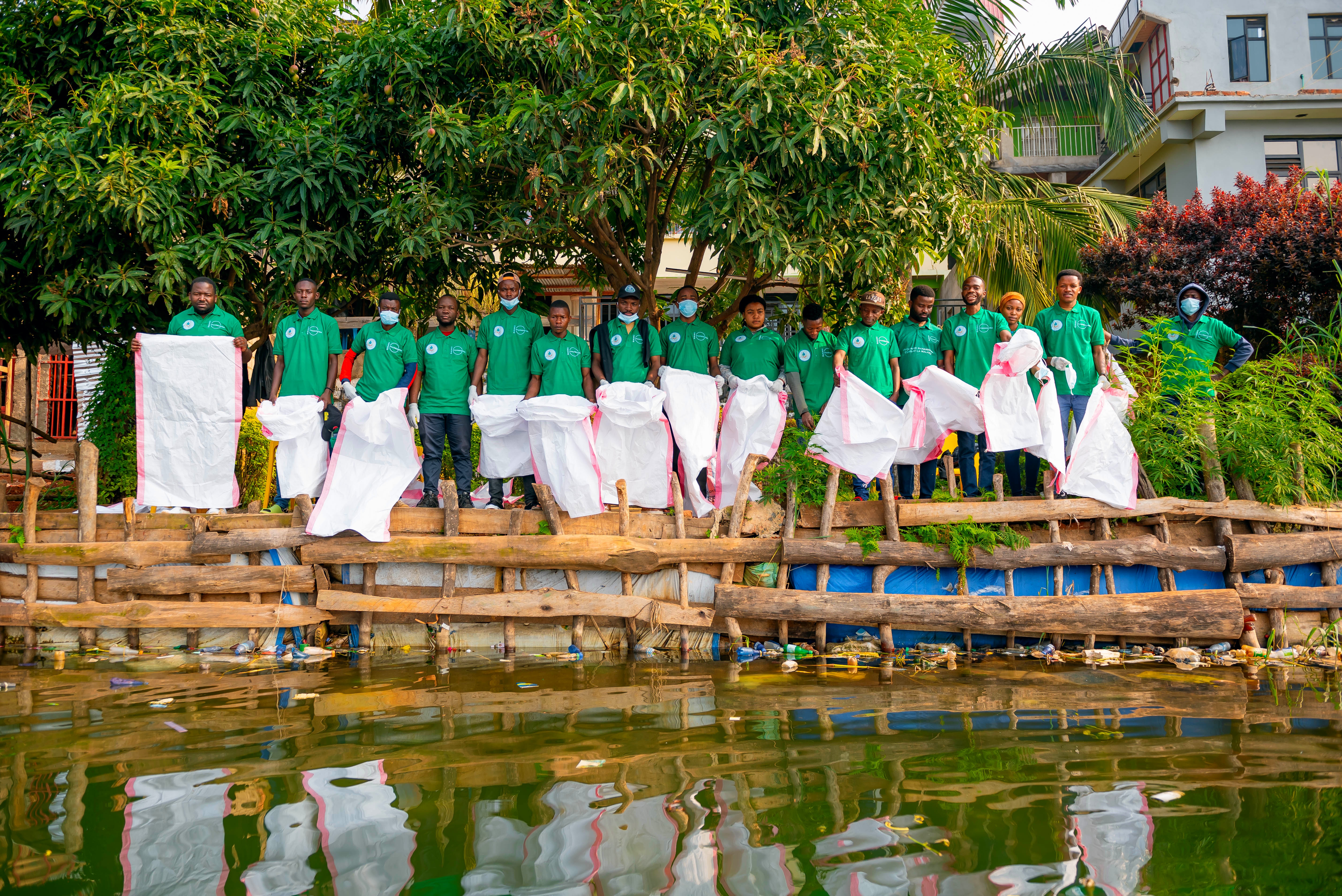 Mobilizing dozens of young volunteers, with the logistical and technical support of Pharmakina SA, this day of action resulted in the collection of over one ton of plastic waste a testament to both the scale of the pollution and the collective will to combat it. Far from being a one-off gesture, this cleanup embodies an intergenerational commitment to preserving an ecosystem of critical importance.
Covering a surface area of 2,650 km², Lake Kivu ranks among the largest freshwater bodies on the African continent. It represents a cornerstone of sustainable regional development, at the intersection of environmental, economic, food security, energy, and social issues. However, this natural heritage is now under serious threat from three major challenges:
- The intensification of plastic pollution, which is undermining fish productivity;
- The progressive clogging of the Ruzizi hydroelectric dam, which is vital to the region’s electricity supply;
- The surge in waterborne diseases, a direct consequence of the lake’s deteriorating water quality.
In response to this alarming situation, the “Lake Kivu Clean Up” project is deploying an integrated strategy, rooted in community participation and long-term sustainability. It is built upon:
- Monthly cleanup campaigns led by youth, who stand as true agents of change;
- Ongoing awareness-raising efforts targeting lakeside communities to promote environmentally responsible behavior;
- The development of local value chains for transforming plastic waste into useful products such as paving blocks, bricks, or decorative items.
Beyond its immediate impact, this initiative seeks to serve as a catalyst for local environmental resilience, while showcasing the decisive role of Congolese youth in the ecological transition. It also calls for stronger engagement from institutional, technical, and private stakeholders to consolidate achievements and amplify the impact of this exemplary undertaking.
Through “#Lake Kivu Clean Up,” an entire generation is asserting its leadership for a cleaner, healthier, and more sustainable future.