EMPOWERWASH-AFRICA II Programme: A Mid-Term Evaluation Workshop Held in Yaoundé
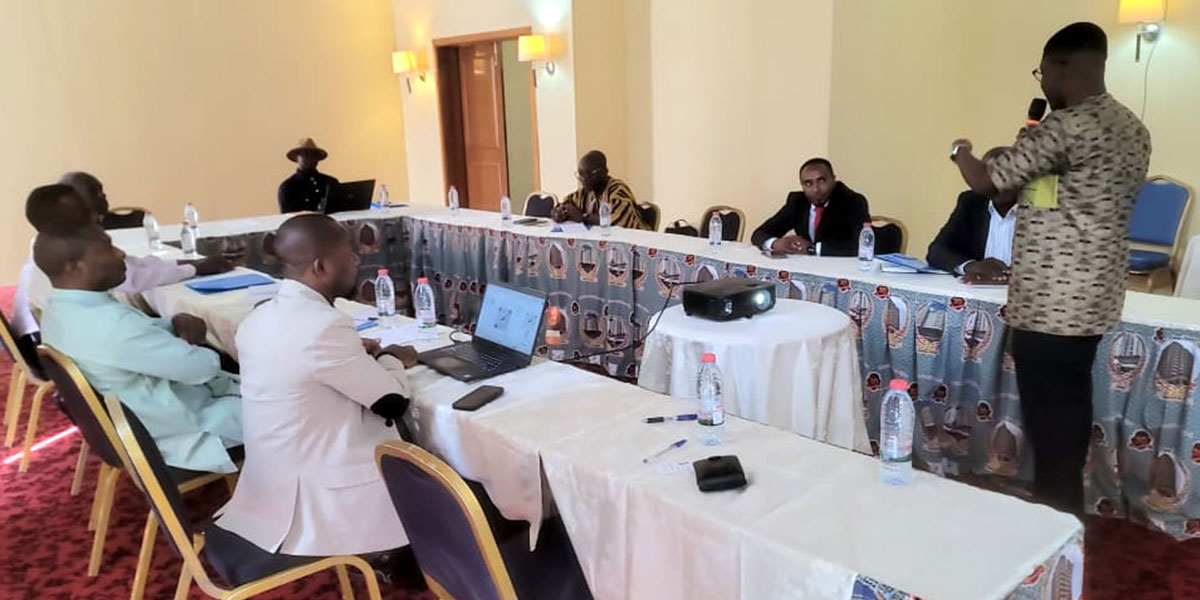
On 5–6 February 2026, a strategic workshop dedicated to the mid-term evaluation of the EMPOWERWASH-AFRICA II programme, a major initiative aimed at improving water and sanitation services in rural areas, was held in Yaoundé. Over two days, the meeting brought together local authorities and municipal technical officials from five of the six countries participating in the project (Cameroon, Uganda, Malawi, Ghana and Ethiopia), along with the coordination team of the African Water and Sanitation Association, around a shared objective: to assess progress made, share challenges, and adjust priorities in order to maximise the programme’s impact during its second phase of implementation.
Funded by the Conrad N. Hilton Foundation and implemented by AfWASA, the EMPOWERWASH-AFRICA II programme seeks to strengthen the capacities of local governments to better plan, finance and sustainably manage water and sanitation services. At mid-term, the Yaoundé workshop highlighted tangible progress, particularly in terms of local governance and service structuring. Most beneficiary districts have strengthened their planning and coordination mechanisms using an institutional assessment tool, which made it possible to objectively identify the strengths and weaknesses of each local authority and to develop action plans tailored to local realities.
Progress achieved also includes enhanced skills among municipal teams, improved dialogue between elected officials and technical staff, and the establishment of clear roadmaps for better financial and operational management of water and sanitation services. The workshop further highlighted AfWASA’s research fellowship programme, which supports young African professionals in developing innovative solutions to the specific challenges of rural water services, thereby contributing to skills renewal and innovation across the continent.
Discussions also helped identify several persistent challenges. Participants notably pointed to difficulties linked to local political transitions, which can affect the continuity of actions, as well as funding and human resource constraints in some districts. Challenges related to data collection and use, infrastructure maintenance, and resilience to the impacts of climate change were also central to the discussions.
Beyond technical presentations, the workshop fostered direct exchanges between municipalities, enabling the sharing of experiences and good practices. Participants were able to draw inspiration from successes observed in other countries and collectively reflect on the adjustments needed to strengthen the programme’s effectiveness during its second half. With a high level of satisfaction expressed by participants, the Yaoundé workshop marks a key milestone in the implementation of EMPOWERWASH-AFRICA II. The next phase of the programme will focus on accelerating field actions, strengthening targeted local capacities and disseminating innovative solutions, with the aim of sustainably improving access to water and sanitation for rural communities across Africa.
The meeting concluded with a field visit to the Emana-Batchenga drinking water treatment plant, providing a concrete illustration of the issues discussed and underscoring that institutional reforms must ultimately translate into tangible improvements in service delivery for the benefit of communities.